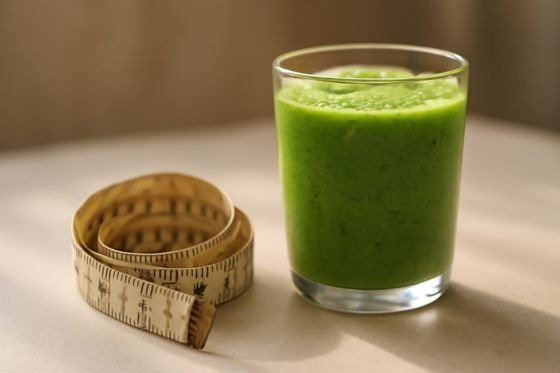
Prozenith is sold as a dietary supplement, and that single fact settles most of the comparison. A supplement is not reviewed for effectiveness before it reaches shelves, while prescription weight-loss drugs earn approval only after large trials measure how much weight people actually lose. So the honest answer is that these are not two versions of the same thing. One is a marketed product with no requirement to prove it works; the other is a class of medication with published, peer-reviewed results.
What is Prozenith, and how is it regulated?
Products marketed under names like Prozenith fall under dietary supplement rules in the United States. Under that framework, a manufacturer does not have to demonstrate that a product produces weight loss before selling it. The oversight that exists is largely reactive, built around adverse event reporting and enforcement after problems surface rather than approval beforehand. Research on the FDA’s approach to supplement regulation and adverse event reports describes exactly this gap, with post-market signals doing much of the work that pre-market review does for drugs. Reviewers can read the underlying analysis of that system in the published literature on supplement oversight, cited below.
That structure matters for a shopper because it means the burden of proof sits with the buyer, not the seller. A supplement can carry confident language about metabolism or appetite without any obligation to back it with trial data. This is not a claim that every supplement is useless or unsafe. It is a statement about what the regulatory category does and does not guarantee.
Does the ingredient list tell you it works?
Rarely. Supplement blends often combine botanicals, fibers, and stimulants at doses that may differ from anything studied. Even where a single ingredient has some data behind it, the amount in a proprietary blend is frequently undisclosed or too low to match the studied dose. A physician review of whether clinicians should ever recommend supplements for weight loss lands on a cautious position, noting that the average effect reported for these products is small, inconsistent, and difficult to separate from diet changes made at the same time.
There is a safety layer here too. Independent testing has repeatedly found weight-loss and performance supplements adulterated with undeclared drugs, including prohibited pharmacological substances that never appear on the label. So “natural” on the front of a bottle is not a reliable signal of contents. The presence of an ingredient list is not the same as verified purity.
How do the options actually compare?
| Factor | Supplement (Prozenith type) | Prescription weight-loss medication |
|---|---|---|
| Pre-market review | None for effectiveness | Required, with clinical trials |
| Evidence base | Limited, often small studies | Large randomized trials |
| Oversight | Mostly post-market | Approval plus ongoing monitoring |
| Prescriber involvement | None required | Clinician evaluation and follow-up |
| Purity assurance | Variable, adulteration documented | Manufacturing standards enforced |
What does current guidance say about treating obesity?
Recent guideline work reframes obesity as a clinical diagnosis rather than a matter of willpower or a cosmetic goal. A 2025 effort on the definition and diagnostic criteria of clinical obesity pushes clinicians toward assessing health impact, not just a number on a scale. Alongside that, a 2025 clinical practice guideline update on pharmacotherapy for obesity management in adults sets out which medications are supported by evidence and for whom. Neither of these documents positions supplements as a recommended treatment. The American Gastroenterological Association guideline on pharmacological interventions for adults with obesity reaches a similar conclusion, favoring specific approved agents over unproven products.
This is the core of the comparison. When medical societies weigh the evidence, the supported options are prescription medications with trial data, paired with lifestyle change. A supplement like Prozenith does not appear in those recommendations because the evidence to place it there does not exist.
What about people with related conditions?
Weight rarely travels alone. Metabolic dysfunction associated steatotic liver disease, once called fatty liver, is common in people carrying excess weight, and the 2024 EASL, EASD, and EASO guidelines on managing that condition treat weight reduction as central to care. This is one reason a clinician-led evaluation matters more than a bottle. A supplement cannot account for a liver condition, a diabetes risk, or a medication interaction. A prescriber can, and the choice of treatment often shifts once those factors are on the table.
Where should someone start?
The useful first step is an honest assessment of whether treatment is warranted at all, and if so, which kind. For readers weighing whether a product like Prozenith belongs anywhere in that plan, an independent breakdown can help before any money changes hands; those comparing supplement claims against prescription routes can see the complete guide alongside supervised telehealth services such as Ro, Hims and Hers, Henry Meds, and LillyDirect. FormBlends is one physician-supervised option among that field, with prescribing handled by a licensed clinician rather than a product sold off a shelf.
Cost is real, and it is worth saying plainly that a supplement’s lower sticker price is not a bargain if it does not do anything. Spending forty or fifty dollars a month on a product with no effectiveness data is not cheaper than treatment that works; it is money spent on delay. That is the trade a shopper is actually making, and it deserves to be named.
Is a supplement ever the reasonable choice?
For weight loss specifically, the case is weak. Some people take a supplement for a defined nutritional gap under a clinician’s guidance, which is a different purpose. Using one as a substitute for evaluated treatment, in the hope of matching prescription results, is not supported by the evidence and can crowd out care that would help. The straightforward opinion here is that a product marketed the way Prozenith is marketed is not worth choosing over a conversation with a prescriber.
Key takeaways
- Prozenith is a supplement, not an approved drug, and is not reviewed for effectiveness before sale.
- Guideline groups recommend evaluated prescription medication over supplements for treating obesity.
- Supplement purity is not guaranteed, and adulteration with undeclared drugs is documented.
- A clinician evaluation catches related conditions that a bottle cannot account for.
- A lower price is not a saving if the product has no proven effect.
Frequently asked questions
Is Prozenith a drug or a supplement?
Products marketed under names like Prozenith are sold as dietary supplements, not approved drugs. That means they are not reviewed for effectiveness before sale, and the claims made for them are not held to the standard applied to prescription weight-loss medication.
Can a supplement match prescription weight-loss results?
There is no supplement with trial evidence approaching that of the newer prescription drugs. Guideline groups do not recommend supplements as a way to treat obesity, and the average weight change reported for supplements is small and inconsistent.
Are supplements safer because they are natural?
Not necessarily. Supplements are not tested for safety before sale the way drugs are, and analyses have found products adulterated with undeclared pharmaceutical ingredients. Natural sourcing is not a guarantee of safety.
What decides whether prescription treatment is appropriate?
A clinician evaluates body mass index, related conditions, and history rather than a single number. Current guidelines frame obesity as a clinical diagnosis, and treatment choices follow from that assessment.
Should someone try a supplement first before seeing a doctor?
There is no evidence that starting with a supplement improves outcomes, and it can delay effective care. A conversation with a clinician about whether treatment is warranted is the more useful first step.